

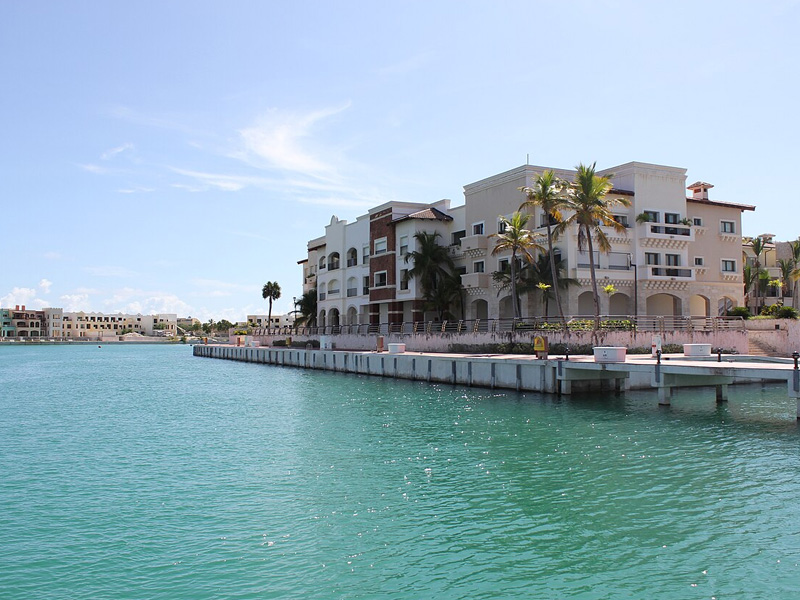
Cap Cana Marina reflects the deliberate planning and architectural cohesion that define the community.
When you step inside the massive gated community of Cap Cana, what you’re reacting to isn’t one single feature but the result of early choices about how land would be used, how growth would unfold, and how different areas would relate to each other over time. That planning shapes how the community feels today and explains why it functions in a more orderly, predictable way once you’re inside.
If you’re planning to live or invest in Cap Cana, this guide helps you understand how the community is structured. This should help you decide whether it fits your long-term plans.
CAP CANA VS. ORGANIC RESORT DEVELOPMENT
| CAP CANA | ORGANIC RESORT DEVELOPMENT | |
| How it grows | Planned as one community with a long-term plan. | Built project by project over time. |
| Land use | Areas are mapped by purpose, which makes uses easier to understand. | Uses may feel less clear from one area to the next. |
| Access | Entry and movement follow one community-wide system. | Access rules often change by project. |
| Infrastructure | Roads and services are designed to work together. | Roads and services may vary by area. |
| Looking ahead | Easier to understand how the community is expected to grow. | Harder to predict how nearby areas may change. |
PLANNED AS ONE COMMUNITY, NOT A COLLECTION OF PROJECTS
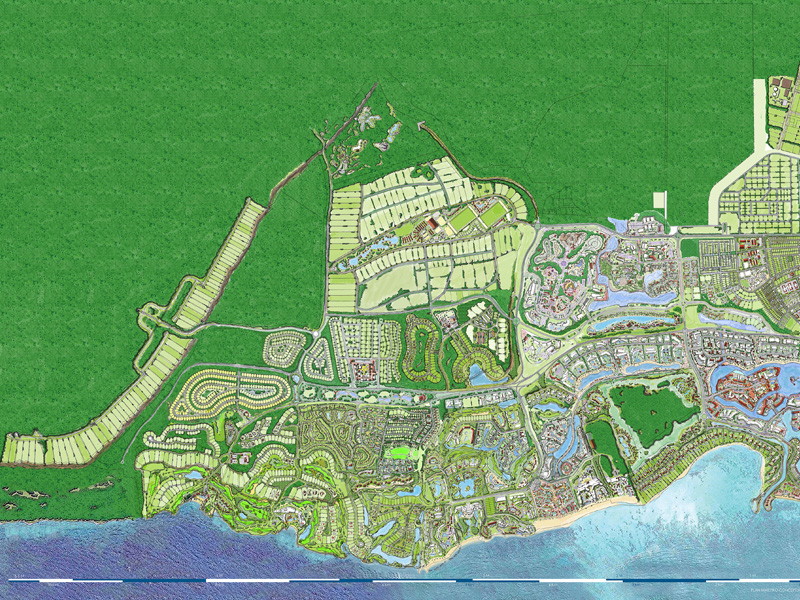
Cap Cana was planned as a single gated community from the start, with land set aside for homes, resorts, and the marina before construction began. Clear boundaries were established early, and those boundaries still guide how the community grows. New development follows the plan instead of shifting with short-term demand. This keeps existing residential areas stable as the area fills in.
For buyers and investors, this makes house evaluation a lot simpler. One sees where a property sits within the overall plan, understands what type of activity surrounds it today, and gauges how future development is expected to unfold.
DESIGN RULES THAT KEEP THE COMMUNITY COHESIVE
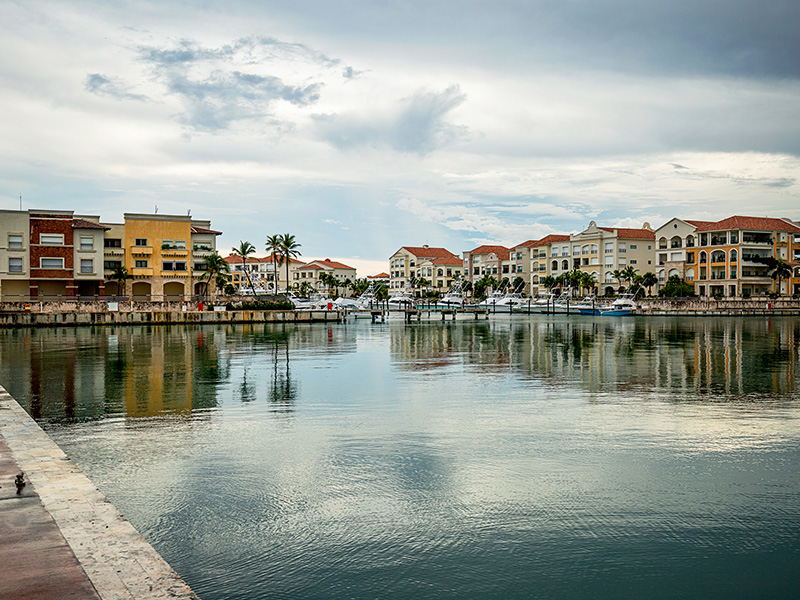
Architectural consistency along Cap Cana’s marina reflects the community’s controlled design standards and long-term planning approach.
Cap Cana’s properties avoid the patchwork look common in other resort areas by applying the same design rules across neighborhoods. After the land-use plan set where things belong, these rules guide how new buildings fit in.
Any new build or major remodel goes through a formal review with the Consejo de Dirección, Planificación y Desarrollo (often called the CPD). Plans are submitted in stages and reviewed against a public design guide that sets limits on massing, height, materials, and site placement before construction begins.
As Cap Cana real estate continues to grow, new construction follows the same standards used in earlier neighborhoods. For buyers, that means becoming part of a setting that’s designed to stay consistent as the community builds out.
INFRASTRUCTURE THAT WORKS QUIETLY IN THE BACKGROUND
Most days in Cap Cana run smoothly because the basics are planned to support daily use. You see this most clearly in how a few core systems function during everyday routines:
- Predictable daily movement: Main roads handle most cross-community travel, while smaller streets serve residential areas. This keeps local driving patterns steady and limits cut-through traffic on residential streets.
- Clear access at the gates: Entry points follow set procedures, with owner access and service traffic handled through defined lanes. This keeps arrivals orderly and reduces backups during busier parts of the day.
- Consistent upkeep across districts: Roads, lighting, and landscaped areas are maintained to the same standard throughout the community. This is evident along internal connectors and near coastal areas like Caletón, where maintenance doesn’t drop off from one area to the next.
- Straightforward internal connections: Short trips between nearby areas usually stay within the community grid instead of forcing everything onto main roads. Getting between places used regularly becomes direct and uncomplicated.
AMENITIES DESIGNED INTO DAILY ROUTINES
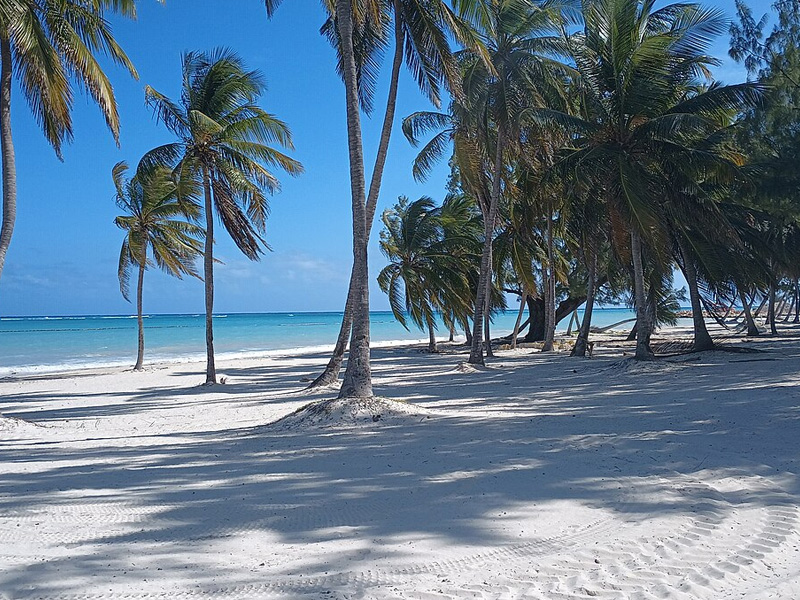
Amenities in Cap Cana are positioned to support everyday use, with beaches and recreation integrated into residential life rather than isolated as resort attractions.
Beaches, golf, marina access, recreation, and wellness were deliberately distributed across Cap Cana, allowing residents of this gated community to encounter them naturally as they move through daily life rather than treating them as occasional destinations.
- Playa Juanillo is one of the most frequently used amenities, not because it’s a spectacle, but because it’s easy to return to. Residents swim, walk the shoreline, or meet friends at restaurants set directly on the sand. Calm waters make activities like swimming, snorkeling, and kiteboarding accessible year-round, reinforcing the beach as a regular part of daily life rather than a once-in-a-while outing.
- Golf activity centers on Punta Espada Golf Course, a Jack Nicklaus Signature course recognized internationally, and consistently ranked among the top courses in the Caribbean. Its integration into the community − rather than separation as a standalone attraction − allows owners to enjoy world-class golf as part of their routine environment, not as a special excursion.
- Boating and social activity gather around Marina Cap Cana, which supports large yachts and sport fishing while also serving as a mixed-use hub with restaurants, waterfront bars, boutiques, art galleries, and cigar lounges. Its design encourages casual, repeat visits, blending leisure and social activity into everyday schedules.
Beyond these highlights, Cap Cana also includes theme parks like Scape Park, the equestrian facilities at Ciudad Ecuestre, destination dining at La Palapa, and wellness options such as Solaya Fitness & Wellness Spa. Together, these amenities give you range and flexibility, supporting different lifestyles without overwhelming the community − an outcome of planning that prioritizes long-term livability over short-term spectacle.
DENSITY AND SPACING THAT PROTECT PRIVACY
Within the gated community of Cap Cana, residential areas are planned as places where daily life happens naturally. This reflects in the way homes are grouped and where those groups are placed. Housing is organized into clearly defined residential zones that sit apart from dining, recreation, and visitor-oriented areas, so residential streets are used primarily by the people who live there and the services that support them. Over time, this creates a steady pattern of movement that feels consistent rather than reactive, because activity is directed elsewhere instead of bleeding into where people live.
For buyers and investors looking at Cap Cana, this layout makes the gated community easier to read and evaluate. It also helps explain why many residential areas feel more private over time, even as the community continues to grow.
FAQs
How does living in Cap Cana differ from other communities in Punta Cana?
It’s different because the entire area follows one master plan. Instead of separate gated projects operating on their own, Cap Cana runs as a single gated community with shared rules for access, services, and land use.
How does Cap Cana’s master-planned structure affect long-term property values?
It helps reduce uncertainty about future development. Clear rules around land use make it easier to understand how nearby areas are likely to change over time.
Is financing available to foreign buyers, or is this typically a cash market?
They can work for both owner use and long-term rentals. The right fit depends on the location and the rules of the specific building or homeowners’ association.
YOUR PERSONAL STARTING POINT IN CAP CANA
Approaching ownership in Cap Cana works best when the rules are well-defined. Building guidelines, access procedures, and rental policies vary by residence, and getting clarity early helps in making decisions that hold up over time. This is especially crucial if buying from abroad or considering future rental use.
With deep, on-the-ground experience in Cap Cana, Jelena Golubovic focuses on practical guidance rather than broad promises. She works with buyers who want to understand how properties actually function day to day, from ownership structure to long-term use. Her multilingual background and experience working with international clients help bridge local realities and overseas expectations, making the process clearer and more manageable from the start.
If you’d like to talk through your options, ask a few questions, or get a clearer sense of what fits your goals, you can reach Jelena directly at 809.351.5863 or by email.